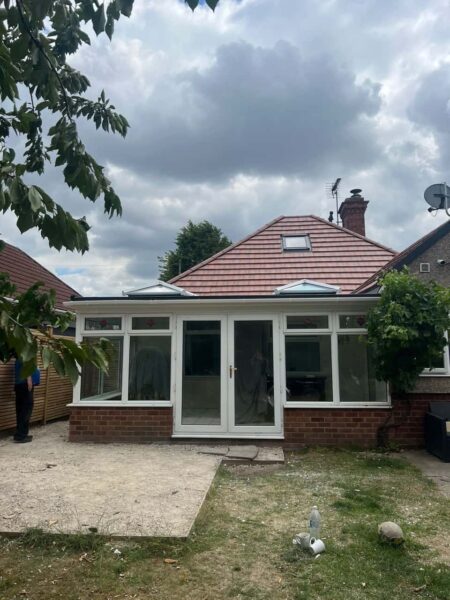
Chimney Repairs: Signs of Damage That Should Never Be Ignored
A chimney is constantly exposed to wind, rain and changing temperatures, which can gradually affect its condition. Even small defects can allow moisture into the structure, loosen masonry or create problems around the roof where the chimney meets the tiles. Recognising early warning signs can help property owners arrange suitable repairs before the damage becomes more extensive.
For homeowners in Crofton, West Yorkshire, regular attention to chimney condition is an important part of maintaining a sound, weather-resistant roof. Understanding what to look for can help you identify when professional chimney repairs may be needed.
Why Chimney Maintenance Matters
Chimneys are exposed above the roofline, making them particularly vulnerable to weathering. Mortar joints can deteriorate, brickwork may become damaged and flashing can loosen over time. If these defects are left untreated, water may penetrate the masonry or enter the property through gaps around the chimney base.
A chimney inspection can help identify the source of a problem and establish whether localised repairs or more extensive work is appropriate. Because chimneys are elevated structures, assessment and repairs should be carried out by a suitably equipped roofing professional.
Cracked or Damaged Brickwork
Cracks in chimney bricks can develop through weather exposure, ageing or movement within the structure. Small cracks may initially appear insignificant, but they can allow moisture to enter the masonry. Repeated wetting and freezing can then worsen the damage.
Look for cracked bricks, sections of missing masonry, loose material or visible gaps between courses. Bulging or leaning brickwork is particularly concerning because it may indicate a more serious structural issue.
Professional repairs may involve replacing damaged bricks and assessing whether the surrounding masonry remains stable. Where movement is suspected, the cause should be investigated before cosmetic repairs are attempted.
Deteriorating Mortar Joints
Mortar holds the bricks together and helps protect the chimney against water penetration. Over time, mortar joints can become crumbly, recessed or cracked, leaving gaps that allow moisture to enter.
You may notice loose mortar on the roof, missing sections between bricks or visible deterioration around the upper courses of the chimney. These signs should not be ignored, particularly if several joints are affected.
Repointing involves removing deteriorated mortar to an appropriate depth and replacing it with suitable new mortar. When completed correctly, it helps restore the joints and reduce moisture penetration while maintaining the integrity of the brickwork.
Leaking or Loose Chimney Flashing
Flashing forms a weather-resistant junction between the chimney and the roof covering. If it becomes loose, cracked or poorly sealed, rainwater can enter the roof space and cause damp patches on ceilings or walls.
Signs of a possible flashing problem include water stains near the chimney breast, dampness in the loft or leaks that become noticeable during heavy rainfall. However, water can travel along roof timbers, so the visible damp patch may not be directly beneath the defect.
A professional roofer can inspect the flashing and surrounding roof covering to identify where water is entering. Repairs may involve securing or replacing damaged flashing and checking that the junction is properly integrated with the roof materials.
Damaged Chimney Pots and Chimney Caps
Chimney pots and caps help protect the chimney opening and, depending on the installation, support suitable ventilation or reduce the entry of rain and debris. Cracked pots, loose fittings or damaged caps can create additional maintenance concerns.
Visible movement, broken sections or missing components should be assessed promptly. Loose masonry or chimney components can also present a falling-object hazard, particularly during windy weather.
A roofing professional can assess the condition of these components and determine whether they need securing, repairing or replacing. Any work should also take account of the chimney’s intended use and ventilation requirements.
Damp Patches and Water Entering the Property
Damp around a chimney breast or on an upstairs ceiling may indicate water penetration through damaged brickwork, defective flashing or a problem with the chimney’s upper section. Discolouration, peeling paint, bubbling plaster and persistent musty smells are common warning signs.
Not every damp patch near a chimney originates from the chimney itself, so it is important to establish the actual cause before carrying out repairs. Treating the internal staining without resolving the external defect may allow the problem to return.
A thorough inspection can help distinguish between possible sources of moisture and identify the repairs needed to protect the building.
When to Arrange Professional Chimney Repairs
Some chimney defects are visible from the ground, but others can only be assessed safely from roof level. Avoid climbing onto the roof or attempting to remove loose masonry yourself.
Arrange a professional inspection if you notice cracked brickwork, deteriorating mortar, damaged flashing, recurring leaks or loose chimney components. If the chimney appears to be leaning, has substantial loose masonry or seems at risk of collapse, keep clear of the area below and seek urgent professional assistance.
Early assessment can help establish the extent of the damage and prevent minor defects from developing into more serious problems.
Chimney Repairs in Crofton, West Yorkshire
KJ Roofing Crofton provides roofing services for property owners who need help addressing chimney damage and related roof problems. From deteriorating mortar joints to defective flashing, a careful assessment helps identify the work needed to restore weather protection and maintain the condition of the roof.
Each chimney has its own construction and condition, so the appropriate repair depends on the materials involved, the extent of deterioration and whether any structural movement is present.
Conclusion
Cracked brickwork, failing mortar, damaged flashing, loose chimney pots and persistent damp are all signs that chimney repairs may be necessary. Ignoring these issues can allow moisture to penetrate the structure and lead to further deterioration.
For property owners in Crofton, West Yorkshire, arranging an inspection when warning signs appear can help identify problems early and keep the roof in good condition. Contact KJ Roofing Crofton to discuss your chimney concerns and arrange a professional assessment.
Call us on: 01924 927 094
Click here to find out more about KJ Roofing Crofton
Click here to complete our contact form and see how we can help with your roofing needs.