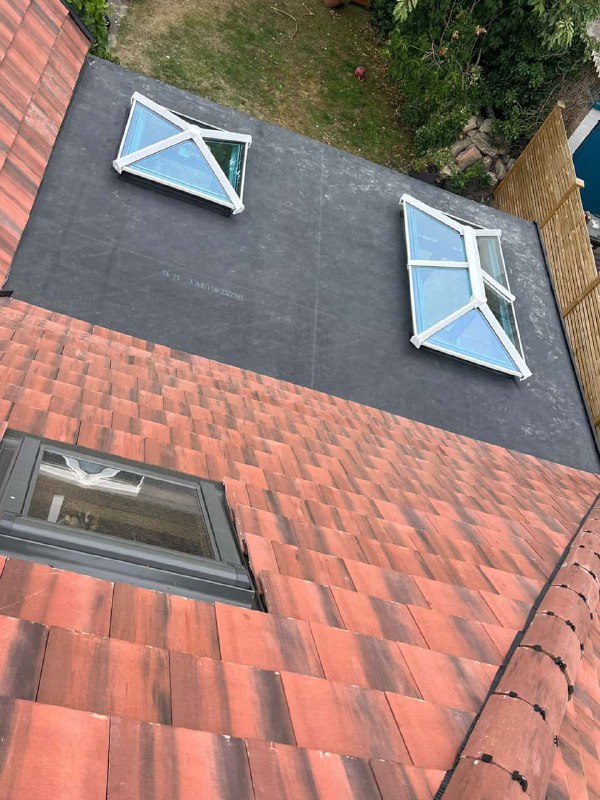
New Roof Installation: How to Prepare Your Home
Having a new roof installed is a significant improvement to a property. Whether an existing roof has reached the end of its useful life or a replacement has been recommended because deterioration has become widespread, good preparation can help the installation process run more smoothly.
For homeowners in Crofton, West Yorkshire, preparing for roofing work does not need to be complicated. Most of the specialist preparation and installation will be handled by the roofing team, but there are several practical steps homeowners can take before work begins. At KJ Roofing Crofton, careful planning forms an important part of delivering a well-organised new roof installation and dependable long-term protection.
Understand What the Roofing Work Will Involve
Before installation begins, it is useful to understand the general process.
A new pitched roof installation may involve removing the existing roof covering so that the underlying roofing components can be assessed. Depending on the condition and construction of the roof, work can include attention to:
- Existing tiles or slates
- Roofing underlay
- Battens
- Ridge and hip areas
- Valleys
- Flashing
- Roof junctions
- Fascias and other adjoining details where relevant
Once the necessary preparation has been completed, the new roofing system can be installed.
Understanding the process helps homeowners appreciate why access, organisation and careful preparation around the property are important.
Make the Areas Around Your Property Accessible
Roofing work requires safe and practical access to the outside of the property.
Before work begins, removing movable objects from immediately around the house can help create a clearer working area. This may include:
- Garden furniture
- Plant pots
- Children’s outdoor equipment
- Decorative ornaments
- Bicycles
- Movable storage items
These items can be relocated temporarily to an appropriate area away from the work.
Creating additional space also helps protect belongings while allowing the roofing team to move materials and equipment efficiently.
Consider Your Driveway and Vehicle Access
Roof installation involves the movement of roofing materials, tools and waste from the existing covering.
Keeping suitable areas accessible can make this process considerably easier. Homeowners may wish to move vehicles away from the immediate working area before roofing work begins.
This can help avoid unnecessary obstruction while giving roofers better access to the property.
Your roofing contractor can explain what access will be required before the project starts so that suitable arrangements can be made.
Protect Items Stored in the Loft
One area homeowners sometimes overlook when preparing for a new roof is the loft.
Removing an existing covering and carrying out roofing work above can disturb dust and small amounts of debris. Vibrations may also occur while work is underway.
If belongings are stored in the loft, it can be sensible to move particularly delicate items or protect stored possessions with suitable coverings.
Keeping the loft organised also makes it easier to inspect internal roof areas where access is required.
Remove Fragile Items from Walls and Shelves
Roof installation involves physical work on the structure above the property. Some vibration and noise are therefore normal.
Pictures, ornaments or particularly fragile items positioned on high shelves may be worth temporarily relocating, especially on upper floors.
This is a simple preparation step that can help protect household belongings while work takes place.
Prepare for Noise During the Installation
New roof installation is naturally more involved than a small repair.
Removing existing materials, preparing the roof and installing the new covering will generate periods of noise.
Knowing this beforehand can help households plan their routines around the work. Where possible, consider how roofing activity may affect:
- Working from home
- Young children
- Pets
- Household routines
The amount of disruption varies depending on the property and type of roofing work, but preparation can make the process easier to manage.
Think About Pets Before Work Begins
Roofing work can be unfamiliar and unsettling for pets because of increased activity, noise and movement around the outside of the property.
Keeping pets securely away from working areas is important. If an animal is particularly sensitive to noise, planning a quiet part of the house for them can help.
Gates and access points may also need to remain available to the roofing team, so pets should not be allowed to roam freely around these areas while work is taking place.
Keep Children Away from Working Areas
Roofing projects involve tools, equipment and the movement of materials around the property.
Children should therefore be kept away from designated working areas throughout the installation.
Explaining beforehand that certain parts of the garden or exterior will temporarily be inaccessible can help make this easier.
Consider Garden Plants and Features
If shrubs, planting or decorative garden features are positioned immediately beside the property, discuss them with the roofing team before work starts.
Some items can simply be moved, while established plants obviously cannot.
Knowing what is present allows the working area to be planned more carefully and helps identify anything requiring particular consideration during the project.
Make Sure Roofers Know About Important Access Requirements
Every property is different.
There may be narrow access routes, locked gates, shared entrances within the property itself or other practical considerations that the roofing team needs to understand.
Providing this information before installation helps avoid unnecessary delays once work begins.
Good communication is particularly useful where certain areas must remain accessible to the household throughout the project.
What Happens to the Existing Roof?
Where a complete re-roof is being undertaken, removing the existing covering provides an important opportunity to assess areas that may previously have been concealed.
This can reveal the condition of the roofing system beneath the tiles or slates.
Depending on the roof, attention may be given to:
Roofing underlay
The underlay beneath the main covering forms an important secondary layer within many pitched roofing systems.
Battens
Battens support the roof covering and need to provide a suitable base for installation.
Roof structure
Visible areas can be checked for conditions requiring attention before they are covered by the new roofing materials.
Roof details
Valleys, ridges, hips and other junctions can be incorporated correctly into the new installation.
This preparation is one reason a professionally installed new roof is more than simply replacing old tiles with new ones.
Flashing and Roof Junctions Need Careful Integration
A roof contains several areas where different surfaces meet. Chimneys, walls and other features can create junctions that require appropriate weatherproof detailing.
When a new roof is installed, these areas need to work effectively with the new covering.
Careful detailing is important because even an excellent main roof covering cannot provide complete protection if vulnerable junctions are poorly integrated.
Professional installation considers the roof as one complete system rather than a collection of separate materials.
Drainage Should Form Part of the Overall Assessment
A new roof needs to manage rainfall effectively.
The covering directs water down the roof, while gutters and associated drainage components carry it away from the roofline.
Before and during installation, the condition and arrangement of adjoining drainage areas can therefore be considered where relevant.
Effective water management helps the completed roof perform as intended.
Why Preparation Beneath the New Roof Matters
The finished roof covering is the part homeowners see, but much of the quality of a new roof depends on work that eventually becomes hidden.
A dependable installation requires a suitable base and correctly prepared roofing components.
Simply placing a new covering over unresolved deterioration would not provide the same result as preparing the roofing system properly.
Professional installation therefore involves assessing what is beneath the surface and addressing relevant issues before the new covering is completed.
What Should Homeowners Check Before Work Starts?
A few simple preparations can make the days leading up to installation easier.
Before the agreed start of roofing work, it can be useful to:
- Clear movable objects from around the house.
- Move vehicles where necessary.
- Protect possessions stored in the loft.
- Secure fragile indoor items.
- Plan for pets and children.
- Make gates and required access points available.
- Discuss any unusual access requirements with the roofing team.
Your roofer can provide more specific guidance based on the layout of your property and the work being undertaken.
What Happens During a Professional New Roof Installation?
The precise process depends on the type and construction of the roof, but good roofing practice follows a logical sequence.
The existing roof is assessed and relevant materials are removed where required. Underlying components can then be examined and prepared before the new roofing system is installed.
Particular attention is given to vulnerable details such as edges, junctions, valleys, ridges and flashing.
The objective is to create a complete roofing system in which each component performs its intended role.
Why Professional Installation Is So Important
A new roof needs to perform reliably through years of changing weather conditions.
Its effectiveness depends not only on the visible materials but also on preparation, installation and detailing.
Professional roofing installation helps ensure that:
- The roof covering is installed correctly
- Underlying components are properly prepared
- Junctions receive appropriate attention
- Roof details integrate effectively
- Rainwater can be managed correctly
- The completed roof provides dependable weather protection
These details are what turn a collection of roofing materials into a complete functioning roof.
Preparing for a New Roof Is Also About Good Communication
Homeowners do not need to understand every technical aspect of roofing installation. However, knowing what will happen and communicating with the roofing team can make the project much easier.
Before work begins, it is useful to understand practical matters such as access, which areas need to remain clear and whether anything inside the loft should be moved.
A professional roofing contractor should be able to explain what preparation is relevant to the individual property.
Why Choose KJ Roofing Crofton?
At KJ Roofing Crofton, we provide professional roofing repairs, re-roofing and new roof installations throughout Crofton, West Yorkshire.
We understand that having a new roof installed is a substantial project for any homeowner. Our approach focuses on careful assessment, proper preparation and professional installation so that every important part of the roofing system receives the attention it requires.
From the underlying roof preparation through to the finished covering and important roof details, our aim is to create a dependable roofing system suited to the property.
Conclusion
Preparing your home for a new roof installation can help make the entire process more organised. Clearing exterior working areas, protecting loft belongings, moving fragile items, planning for pets and children and ensuring suitable access are all useful steps homeowners can take before work begins.
Just as importantly, proper preparation of the roof itself is fundamental to a successful installation. The underlying materials, roof details, junctions and new covering all need to work together to provide lasting weather protection.
If you are considering a new roof for your property in Crofton, West Yorkshire, contact KJ Roofing Crofton. We can assess your existing roof, explain the installation process and carry out the appropriate roofing work to provide dependable long-term protection.
Call us on: 01924 927 094
Click here to find out more about KJ Roofing Crofton
Click here to complete our contact form and see how we can help with your roofing needs.